Recommended Books
These books have been instrumental in my own journey of critical thinking about religion, faith, and scripture. Each provides valuable insights, scholarship, and perspectives worth exploring.
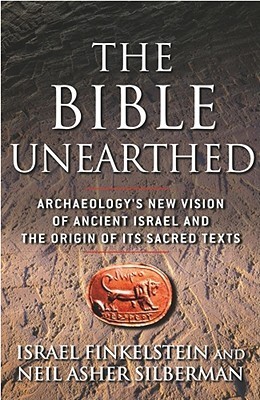
The Bible Unearthed
A groundbreaking work that challenges the historical accuracy of the Hebrew Bible through archaeological evidence.
Find on Google Books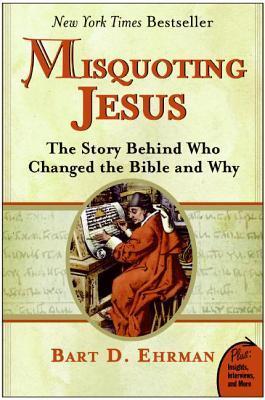
Misquoting Jesus
Explores how the New Testament was altered and corrupted by scribes who copied and distributed it over the centuries.
Find on Google Books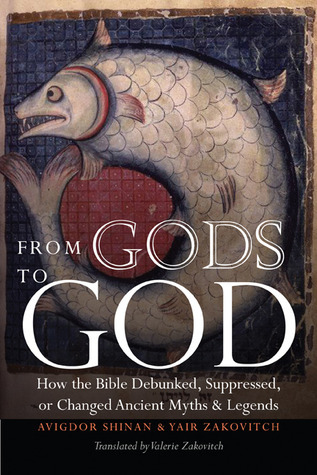
From Gods to God
Examines how the Bible transformed polytheistic traditions into the monotheistic narrative we know today.
Find on Google Books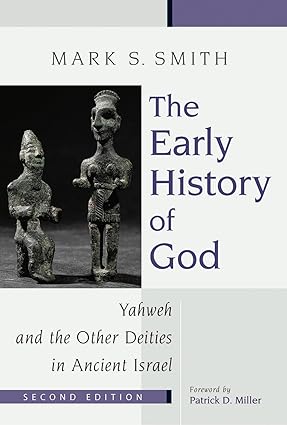
The Early History of God
Traces the development of Yahweh worship and Israelite monotheism from its Canaanite origins.
Find on Google Books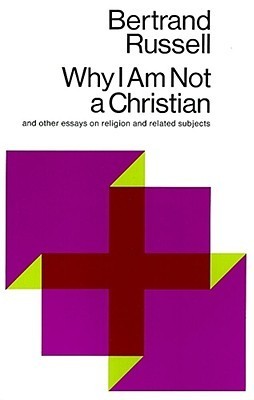
Why I Am Not a Christian
A collection of essays examining the philosophical arguments against Christianity and organized religion.
Find on Google Books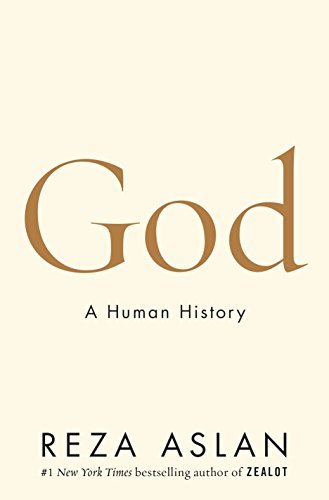
God: A Human History
Explores how humans have conceived of and related to the divine throughout history.
Find on Google Books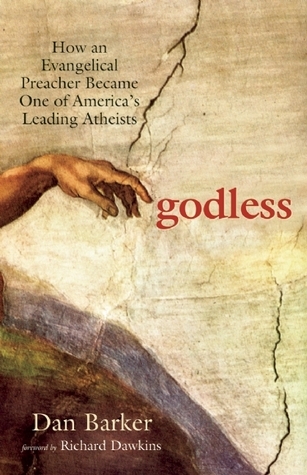
Godless
A former evangelical preacher's journey from devout belief to atheism and secular activism.
Find on Google Books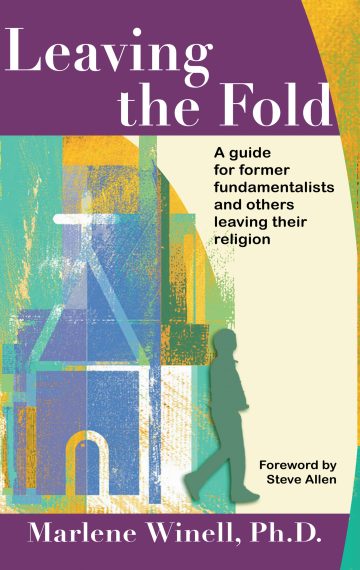
Leaving the Fold
A guide for former fundamentalists and others leaving their religion, addressing psychological impacts.
Find on Google Books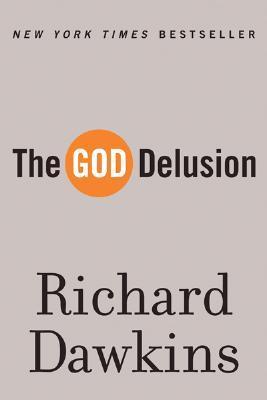
The God Delusion
A blistering critique of religion and belief in God, arguing from science and reason for a more secular and evidence-based worldview.
Find on Good Reads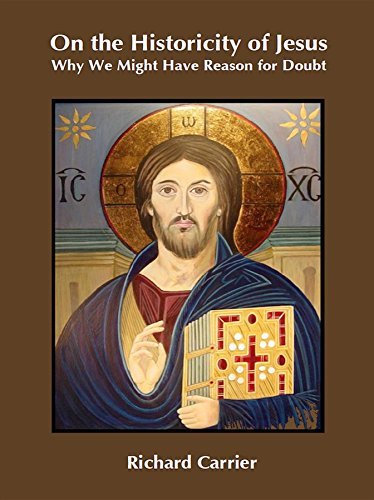
On the Historicity of Jesus: Why We Might Have Reason for Doubt
A rigorous examination of the historical evidence for Jesus, using Bayesian logic to assess whether he likely existed as a historical figure.
Find on Google Books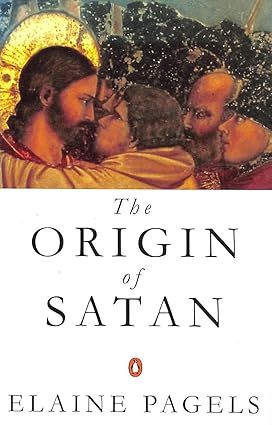
The Origin of Satan
Explores how the early Christian concept of Satan was used to demonise opponents and outsiders, shaping centuries of religious conflict and exclusion.
Find on Google BooksGlossary of Terms
Understanding the language of biblical criticism, theology, and religious studies is essential for navigating discussions about faith and scripture. This glossary provides definitions for commonly used terms.
Apologetics
The systematic defense of religious doctrines through rational argument and evidence. Christian apologetics specifically focuses on defending the Bible and Christian beliefs against criticism.
Biblical Inerrancy
The theological view that the Bible is without error or contradiction in all that it teaches, including matters of history, science, and theology. Varying degrees of this belief exist, from strict literalism to more nuanced approaches.
Canon
The collection of books accepted as authoritative scripture within a religious tradition. The biblical canon varies between Christian denominations, with Protestant, Catholic, and Orthodox traditions recognizing different books as canonical.
Documentary Hypothesis
A scholarly theory suggesting that the Torah (Pentateuch) was composed from four main documentary sources: Jahwist (J), Elohist (E), Deuteronomist (D), and Priestly (P), rather than being written entirely by Moses.
Eschatology
The theological study of the "end times" or final events in human history, including concepts like judgment day, resurrection, heaven, and hell.
Exegesis
The critical interpretation and explanation of a text, especially religious scripture, based on careful analysis of language, context, and historical background.
Hermeneutics
The theory and methodology of text interpretation, particularly the interpretation of biblical texts, wisdom literature, and philosophical texts.
Higher Criticism
A scholarly approach to biblical studies that investigates the origins, authorship, dates, and historical context of biblical texts, often challenging traditional views of authorship and historicity.
Pseudepigrapha
Texts falsely attributed to biblical figures or times, often to increase their authority or significance. These works were generally not accepted into the canonical scriptures.
Syncretism
The blending of different religious beliefs, practices, or traditions. Many elements of modern religions show evidence of syncretism with earlier belief systems.
Textual Criticism
The study of manuscripts and their variations to determine the original or most authoritative version of a text, particularly important for biblical studies given the many manuscript copies with variations.
Theodicy
Attempts to reconcile the existence of evil and suffering with the belief in an all-powerful, all-knowing, and benevolent God.
Frequently Asked Questions
These are common questions I receive about my work, approach to religious criticism, and the process of deconstruction. If you have a question not addressed here, feel free to contact me.
Do you accept guest articles or collaborations?
Yes, I'm open to collaborations with other writers and thinkers who share similar interests in critical analysis of religious texts and traditions. Please reach out with a detailed proposal about your collaboration idea.
Can I republish your articles on my website?
All articles are copyrighted, but I'm generally open to limited republishing with proper attribution and links back to the original content. Please contact me directly to discuss your specific case.
How can I support your work?
The best way to support my work is by subscribing to my Substack newsletter, sharing my articles with others who might find them thought-provoking, and joining the conversation in the comments. I haven’t enabled paid subscriptions yet—but when I do, that will be another way to contribute. Until then, your engagement and word-of-mouth support genuinely make a difference.
What led you to question your religious beliefs?
It started with a growing discomfort with the “God of the Gaps” explanation — plugging divine intervention into everything we don’t yet understand. That simply didn’t satisfy me. I wanted real answers, not placeholders. That search for deeper understanding led me into the history of Christianity and religion itself. Over time, what I discovered challenged not just specific beliefs, but the foundation they rested on. I go into more detail about this in my article Why I Question Christianity.
Are you an atheist now, or do you still believe in God?
Technically, yes - I’m an atheist, in the sense that I don’t believe in a god or gods. The term simply means "non-theist." But I’d also describe myself as a skeptic and a humanist. I no longer subscribe to the theological claims of Christianity or organised religion, yet I remain open to philosophical discussions about ultimate reality. I find more value in the questions than in pretending we have certainty about metaphysical matters. Intellectual honesty, to me, means recognising the limits of what we can know.
How do you respond to claims that you're just "cherry-picking" biblical problems?
I wouldn't call it "cherry-picking" — I look at patterns. My approach is to examine the Bible as a whole, considering its texts within their historical and cultural contexts. It’s not about pulling out isolated verses but understanding how ideas developed over time and how scripture has been interpreted. I simply apply the same critical standards to the Bible that most people would use when assessing any other ancient document or truth claim. Anything less would be intellectually dishonest.
How do you find meaning and morality without religion?
Meaning and morality don’t depend on religion. I find meaning in human connection, learning, creativity, and contributing something worthwhile to the lives of others. As for morality, it doesn’t require divine command—it comes from our capacity for empathy, our ability to think critically about consequences, and the way we live together in society. In fact, history often shows that moral progress happens not because of religion, but in spite of it—when we challenge rigid doctrines and appeal to reason and compassion instead.
Do you believe there's any value in religion?
While I understand that religion has offered community, comfort, and a sense of purpose for many, I think we need to be honest about the cost. Religious belief has too often been used to justify division, suppress critical thinking, and resist moral progress. Personally, I see more potential in a world that values reason, empathy, and evidence over tradition and dogma. That said, my aim is to challenge religions privileged status and encourage honest reflection about whether it still serves humanity — or holds us back.
How do you suggest handling relationships with religious family members?
I’m not a therapist, so I don’t offer professional advice—but I do think respectful communication is key. It’s important to prioritise the relationship over the need to ‘win’ any argument. Religion is often deeply tied to personal identity, so even well-meant criticism can feel like rejection. Setting healthy boundaries around faith discussions can help, especially if tensions rise. In some cases, speaking with a therapist—either individually or as a family—can make a real difference. Ultimately, try to focus on shared values and maintain connection where possible, even if beliefs differ.